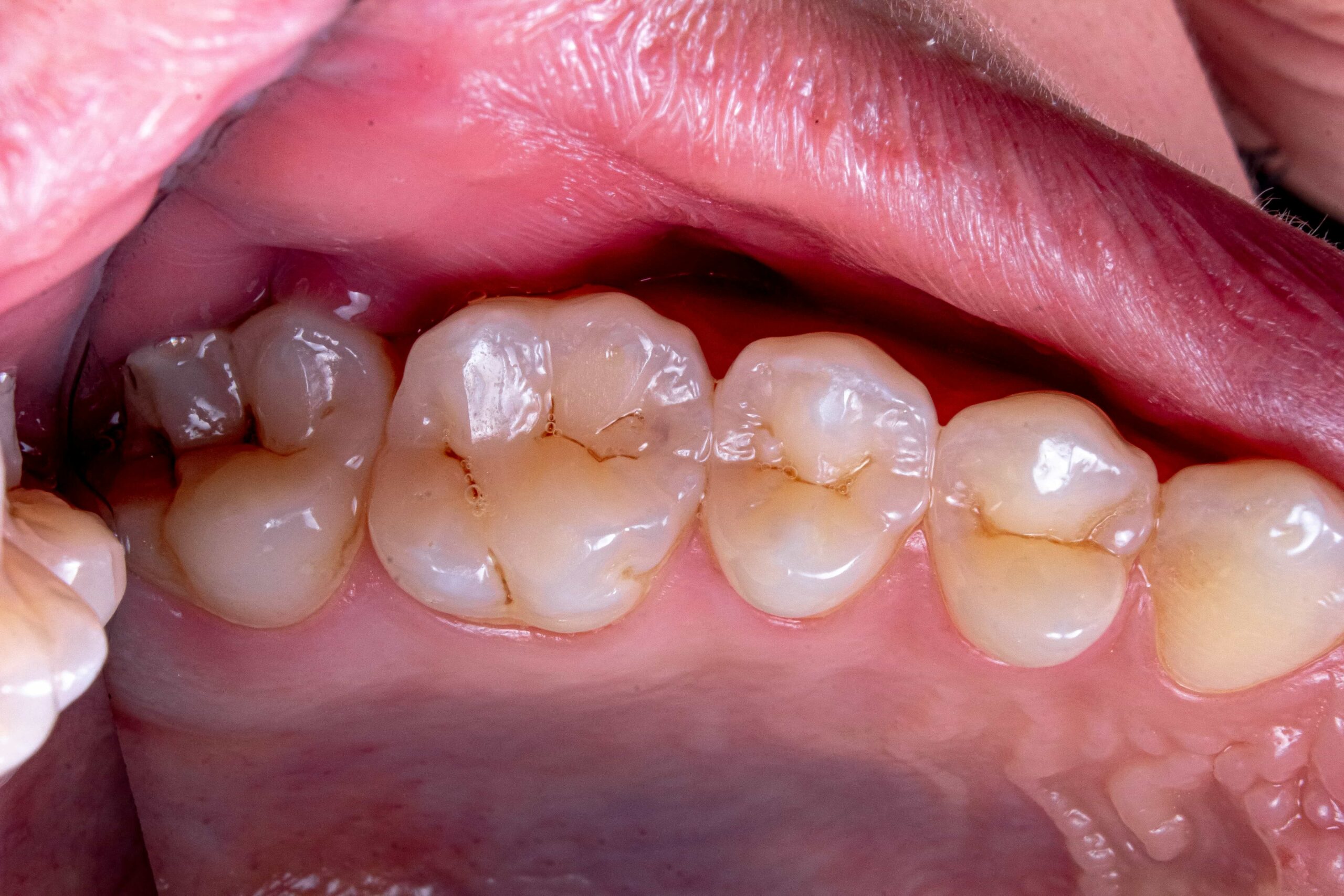
Most of us have experienced that fuzzy coating on our teeth in the morning. It’s annoying, but it’s also a warning sign. While often dismissed as a minor nuisance, that sticky film is actually the starting point for some of the most common oral health issues, ranging from bad breath to gum disease.
Understanding the root cause of plaque isn’t just about keeping your teeth feeling smooth; it’s about protecting your overall health. Many people believe that simply brushing once or twice a day is enough to combat it, yet they still find themselves facing cavities or gingivitis during their dental check-ups.
Why does this happen? The answer lies in the complex biological reactions happening inside your mouth every time you eat or sleep.
In this guide, we will dive deep into the science behind what causes plaque on teeth, how it transforms into stubborn buildup, and the actionable steps you can take to keep your smile healthy between visits to Blue Diamond Dental.
Key Takeaways
- Plaque begins to form shortly after eating as bacteria in the mouth feed on sugars and produce acids.
- If not removed, plaque hardens into tartar, which can only be removed by professional dental cleaning.
- Daily brushing, flossing, and using an antimicrobial mouthwash are essential in preventing plaque buildup.
- Regular dental visits to Blue Diamond Dental ensure early detection and treatment of potential oral health issues.
- Maintaining a balanced diet low in sugary and acidic foods can significantly reduce the risk of cavities and gum disease.

What is Tooth Plaque?
Before understanding how to stop it, we need to understand what it is.
Tooth plaque is a soft, sticky film that constantly forms on your teeth. It is colorless to pale yellow and is often described as feeling “fuzzy” when you run your tongue over your teeth.
The Composition of Plaque
Plaque is a bio-film, meaning it is a living ecosystem. It is primarily composed of:
- Bacteria: Your mouth is home to millions of bacteria. While some are beneficial, others are responsible for decay and disease.
- Saliva: The proteins in your saliva help bacteria adhere to the tooth surface.
- Food Particles: Sugars and starches left behind after meals fuel the bacteria.
Plaque vs. Tartar (Calculus)
It is crucial to differentiate between plaque and tartar. Plaque is soft and can be removed with regular brushing and flossing. However, if plaque is left undisturbed, it mineralizes and hardens into tartar (also known as calculus). Tartar is a hard, yellow or brown deposit that bonds to the tooth enamel and creates a rough surface for even more plaque to adhere to.
Unlike plaque, tartar cannot be removed by brushing alone; it requires professional dental cleaning by a dental hygienist.
How Does Plaque Form?
The formation of plaque is a continuous biological process. It doesn’t just happen when you eat candy; it happens around the clock.
The Role of Bacteria
The process begins with bacteria. Oral bacteria are always present in your mouth. When they encounter sugar or starch, they begin to multiply and produce acids. These bacteria cling to the smooth surface of the tooth enamel, forming a colony.
As this colony grows, it creates the sticky matrix we know as plaque.
The Importance of Diet
Your diet acts as the fuel source. Every time you consume carbohydrates—whether it’s sugary soda, bread, or fruit—the bacteria in your mouth break these down into acids.
This acid production is problematic for two reasons: it eats away at tooth enamel (causing cavities) and it helps the plaque bacteria thrive and multiply.
Saliva’s Influence
Saliva plays a dual role. On one hand, it helps wash away food particles and neutralize harmful acids, acting as a natural defense mechanism.
On the other hand, the minerals in saliva (calcium and phosphate) are what eventually cause soft plaque to harden into tartar if the plaque isn’t removed quickly enough.
What Really Causes Plaque Buildup on Teeth?
If plaque formation is natural, why do some people struggle with excessive buildup while others don’t?
Several factors accelerate the accumulation of plaque.
Poor Oral Hygiene
The most significant cause of excessive buildup is inadequate removal. If you skip brushing before bed or neglect to floss, you leave the plaque undisturbed.
Overnight, saliva production decreases, allowing bacteria to multiply rapidly without being washed away.
Diet Rich in Sugars and Starches
A diet high in sugary snacks and starchy foods provides a constant buffet for plaque-causing bacteria.
Sticky foods, like gummies or dried fruit, are particularly harmful because they adhere to the tooth surface for longer periods, giving bacteria ample time to produce acid.
Dry Mouth (Xerostomia)
Saliva is your mouth’s primary cleansing agent. Conditions or medications that reduce saliva flow—resulting in dry mouth—remove this natural defense.
Without enough saliva to wash away bacteria and neutralize acids, plaque accumulates much faster.
Tobacco Use
Smoking or using chewing tobacco significantly alters the chemistry of your mouth. It promotes the growth of harmful bacteria and reduces saliva flow.
Furthermore, tobacco products stain the teeth and create a rougher surface texture, making it easier for plaque and tartar to stick.
Infrequent Dental Visits
Even the most diligent brusher cannot remove 100% of plaque, especially in hard-to-reach areas below the gumline.
Skipping professional cleanings allows this residual plaque to harden into tartar, which creates a breeding ground for more plaque.
The Consequences of Plaque Buildup
Ignoring plaque buildup triggers a domino effect of oral health problems.
Cavities and Tooth Decay
When plaque bacteria digest sugar, they produce acids that demineralize tooth enamel. Over time, this erosion creates holes in the teeth, known as cavities.
If left untreated, the decay can reach the nerve of the tooth, leading to infection and the need for a root canal.
Gum Disease (Gingivitis and Periodontitis)
Plaque tends to accumulate along the gumline. The bacteria release toxins that irritate the gum tissue, causing inflammation, redness, and bleeding—the early stages of gum disease known as gingivitis.
If ignored, this can advance to periodontitis, a serious infection that damages the soft tissue and bone supporting your teeth, eventually leading to tooth loss.
Bad Breath (Halitosis)
The bacteria in plaque produce foul-smelling sulfur compounds as they break down food particles.
This is a common cause of persistent bad breath that mouthwash can only temporarily mask.
Other Health Issues
Research suggests a link between oral health and systemic health.
The inflammation caused by excessive plaque and gum disease has been associated with heart disease, diabetes, and other chronic conditions.
Preventing Plaque Buildup
The good news is that plaque buildup is largely preventable with the right routine and professional support.
Regular Brushing
Brush your teeth at least twice a day for two minutes each time. Use a soft-bristle toothbrush and fluoride toothpaste.
Be sure to angle the brush toward the gumline where plaque likes to hide.
Daily Flossing
Brushing only cleans about 60% of your tooth surfaces.
Flossing is non-negotiable for removing plaque from between the teeth and under the gumline where a toothbrush cannot reach.
Use of Mouthwash
An antimicrobial mouthwash can help reduce the amount of bacteria in the mouth and rinse away loose particles.
Ask your dentist at Blue Diamond Dental for a recommendation that suits your specific needs.
Professional Dental Cleanings
Regular cleanings are essential for removing tartar, which you cannot remove at home.
At Blue Diamond Dental, our team uses specialized tools to remove hardened deposits and polish the teeth, making it harder for new plaque to attach. We recommend getting a dental cleaning exam for all patients.
Diet Modifications
Limit sugary and starchy snacks, especially between meals.
If you do indulge, try to rinse your mouth with water afterward. Incorporating crunchy fruits and vegetables, like apples and carrots, can also help naturally clean tooth surfaces and stimulate saliva flow.

FAQ
Q: Can water flossers remove plaque?
A: Yes, water flossers can be effective at reducing plaque, especially for people with braces or dental implants. However, traditional string floss is generally considered superior for scraping sticky plaque off the tooth surface.
Q: Is plaque the same thing as “fuzzy” teeth?
A: Yes. That fuzzy feeling you notice on your teeth, usually in the morning or after a long day without brushing, is the texture of the plaque biofilm accumulating on the enamel.
Q: How long does it take for plaque to turn into tartar?
A: Plaque can begin to harden into tartar within 24 to 72 hours. This is why daily removal through brushing and flossing is so critical. Once it hardens, you cannot brush it off.
Final Thoughts
Understanding what causes plaque on teeth is the first step toward a healthier life. While the formation of plaque is a natural biological process, allowing it to accumulate into harmful buildup is not. By controlling the bacteria with proper hygiene, managing your diet, and staying hydrated, you can protect your smile from decay and disease.
However, home care is only half the battle. Regular check-ups are vital to removing the hardened tartar that your toothbrush leaves behind. If it has been more than six months since your last cleaning, or if you are noticing signs of buildup, don’t wait for a cavity to form.
Ready for a cleaner, healthier smile? Schedule your appointment with Blue Diamond Dental today and let our team help you achieve optimal oral health.