Every time you bite into your favorite snack, a microscopic battle unfolds inside your mouth. Bacteria feast on sugars, producing acids that wage war on your tooth enamel. Over time, these repeated attacks can create cavities—but understanding the science behind this process puts you back in control.
At Blue Diamond Dental in Inglewood, Dr. Anthony Ortega sees firsthand how knowledge empowers patients to protect their smiles. Let’s explore the fascinating chemistry of tooth decay and what you can do to stop it.
Key Takeaways
- Cavities form when acid-producing bacteria break down tooth enamel through repeated cycles of demineralization
- The critical pH threshold of 5.5 triggers enamel dissolution, beginning the decay process
- Early-stage cavities (white spot lesions) can be reversed through remineralization with fluoride
- Advanced decay progresses from enamel to dentin and eventually reaches the tooth’s pulp, causing pain
- Saliva acts as your mouth’s natural defense system, delivering calcium, phosphate, and buffering agents
The Oral Microbiome: Your Mouth’s Hidden Ecosystem
Your mouth hosts a complex community of microorganisms living in dental plaque—an organized biofilm that forms on tooth surfaces. While many of these bacteria are harmless, some species like Streptococcus mutans create problems when they encounter dietary sugars.
When you consume carbohydrates, these acidogenic bacteria metabolize them through glycolysis, converting sugars into lactic acid. This acid diffuses through the plaque biofilm to reach your enamel surface, where it begins the demineralization process. The more frequently you expose your teeth to fermentable carbohydrates, the more time these bacteria spend producing acid—and the higher your cavity risk.
The Stephan Curve: Mapping Your Mouth’s pH
In 1940, researcher Robert Stephan demonstrated how dramatically plaque pH drops after sugar exposure. Following a glucose rinse, plaque pH typically falls below the critical threshold within 5 to 10 minutes, remains dangerously acidic for approximately 20 minutes, and takes 30 to 60 minutes to return to normal resting levels between 6 and 7.
This pattern—known as the Stephan curve—reveals why snacking frequency matters more than total sugar consumption. Each sugary exposure restarts the acid attack, extending the time your teeth spend in the danger zone.
What is the primary cause of cavities?
Dental caries results from a biofilm-mediated, sugar-driven process where acidogenic bacteria metabolize fermentable carbohydrates and produce organic acids that lower plaque pH below 5.5, triggering the dissolution of hydroxyapatite crystals in tooth enamel through repeated demineralization cycles that exceed the mouth’s natural remineralization capacity.
Several key factors determine whether decay occurs:
- Bacterial composition: Higher concentrations of S. mutans and other acidogenic species increase acid production
- Sugar frequency: Multiple exposures throughout the day keep pH dangerously low
- Saliva flow: Reduced saliva (xerostomia) decreases buffering capacity and mineral availability
- Fluoride presence: Fluoride strengthens enamel and enhances remineralization
The Chemical Process of Demineralization
Tooth enamel consists of 96% hydroxyapatite—a crystalline mineral composed primarily of calcium (Ca²⁺) and phosphate (PO₄³⁻) ions. Under normal conditions, saliva maintains a stable equilibrium with these minerals.
However, when plaque pH drops below approximately 5.5 for enamel (or 6.2 for dentin), this balance shifts. Phosphate ions in oral fluids combine with hydrogen ions (H⁺) to form hydrogen phosphate species. This pulls phosphate from tooth enamel to restore salivary levels, causing hydroxyapatite to dissolve.
When hydroxyapatite dissolves under acidic conditions and fluoride is present, fluorapatite forms instead. Fluoride ions (F⁻) replace hydroxyl groups (OH⁻) in the crystal lattice. Because fluorapatite is inherently less soluble than hydroxyapatite—even under acidic conditions—it provides superior resistance to subsequent acid attacks.
This explains why fluoride toothpaste and professional fluoride treatments are so effective: they don’t just strengthen enamel; they fundamentally transform it into a more acid-resistant material.
Stages of Tooth Decay: From White Spots to Pulpitis
Dental caries exists along a continuum of increasing severity:
Stage 1: Initial Demineralization (White Spot Lesions)
The earliest sign of decay appears as a chalky white spot where minerals have been lost from enamel. At this stage, the surface remains intact and the damage is reversible. Enamel can repair itself using minerals from saliva and fluoride from toothpaste or professional applications.
White spot lesions indicate that demineralization is occurring, but the tooth structure hasn’t collapsed yet. With improved oral hygiene, fluoride treatments, and dietary modifications, these lesions can be remineralized and reversed.
Stage 2: Enamel Decay (Cavitation)
If demineralization continues unchecked, the enamel weakens and eventually breaks down, forming a visible cavity. Once a cavity forms, the tooth cannot heal itself—it requires professional restoration with a filling.
At this stage, patients typically don’t experience pain because the damage hasn’t reached the tooth’s nerve. However, the cavity provides a protected environment for bacteria to accumulate, accelerating the decay process.
Stage 3: Dentin Involvement
When decay penetrates through enamel into the underlying dentin, sensitivity begins. Dentin contains microscopic tubules connected to the tooth’s nerve, so hot, cold, or sweet stimuli trigger discomfort.
Dentin has a higher critical pH (around 6.2) than enamel, making it more vulnerable to acid dissolution. Once bacteria reach this softer tissue, decay progresses more rapidly.
Stage 4: Pulpitis (Inflammation of the Tooth Pulp)
Untreated caries eventually reaches the pulp—the tooth’s innermost chamber containing nerves and blood vessels. Pulpitis manifests in two forms:
Reversible pulpitis causes sharp pain when exposed to stimuli (usually cold or sweet foods). The pain ceases within 1 to 2 seconds after removing the stimulus. With appropriate treatment, the pulp can heal.
Irreversible pulpitis involves spontaneous pain or discomfort that lingers minutes after stimulus removal (typically heat). Patients often struggle to identify which tooth hurts, sometimes confusing upper and lower teeth. This condition requires root canal treatment to save the tooth.
Stage 5: Abscess Formation
When pulpal necrosis occurs, the tooth no longer responds to temperature but becomes exquisitely sensitive to pressure and percussion. As infection spreads through the root’s apical foramen, a periapical abscess may form—a pocket of pus causing pain, facial swelling, and fever. The tooth feels “high” when biting down because the abscess elevates it from its socket.
The Role of Saliva and Remineralization
Saliva serves as your mouth’s first line of defense against tooth decay. It performs multiple protective functions:
Buffering capacity: Saliva neutralizes acids produced by bacteria, helping pH return to safe levels more quickly after eating.
Mineral delivery: Saliva is supersaturated with calcium and phosphate ions. When pH rises above the critical threshold, these minerals redeposit into demineralized enamel through remineralization.
Bacterial clearance: Saliva flow physically removes food particles and bacteria from tooth surfaces, reducing substrate available for acid production.
Antimicrobial properties: Saliva contains enzymes and proteins that inhibit bacterial growth and maintain a healthy oral microbiome.
Patients with reduced saliva flow (xerostomia)—whether from medications, medical conditions, or aging—face dramatically higher cavity risk. Fluoride becomes even more critical for these individuals because it enhances remineralization even when mineral availability is compromised.
Prevention Strategies at Blue Diamond Dental
Dr. Anthony Ortega and the team at Blue Diamond Dental in Inglewood take a comprehensive, science-based approach to cavity prevention:
Professional fluoride applications: In-office treatments deliver concentrated fluoride to strengthen enamel and reverse early decay. For high-risk patients, prescription-strength fluoride toothpastes provide additional protection.
Dental sealants: Applied to the deep grooves of molars, sealants create a physical barrier that prevents bacteria and food particles from becoming trapped in vulnerable areas.
Personalized hygiene coaching: Our team evaluates your brushing and flossing technique, identifying areas that need extra attention. We recommend products tailored to your specific needs.
Dietary counseling: Understanding which foods and beverages pose the greatest risk helps you make informed choices. We emphasize reducing the frequency of sugar exposure rather than just the total amount.
Risk assessment: Using evidence-based tools, we identify factors that elevate your cavity risk—from dry mouth to existing restorations—and develop targeted prevention strategies.
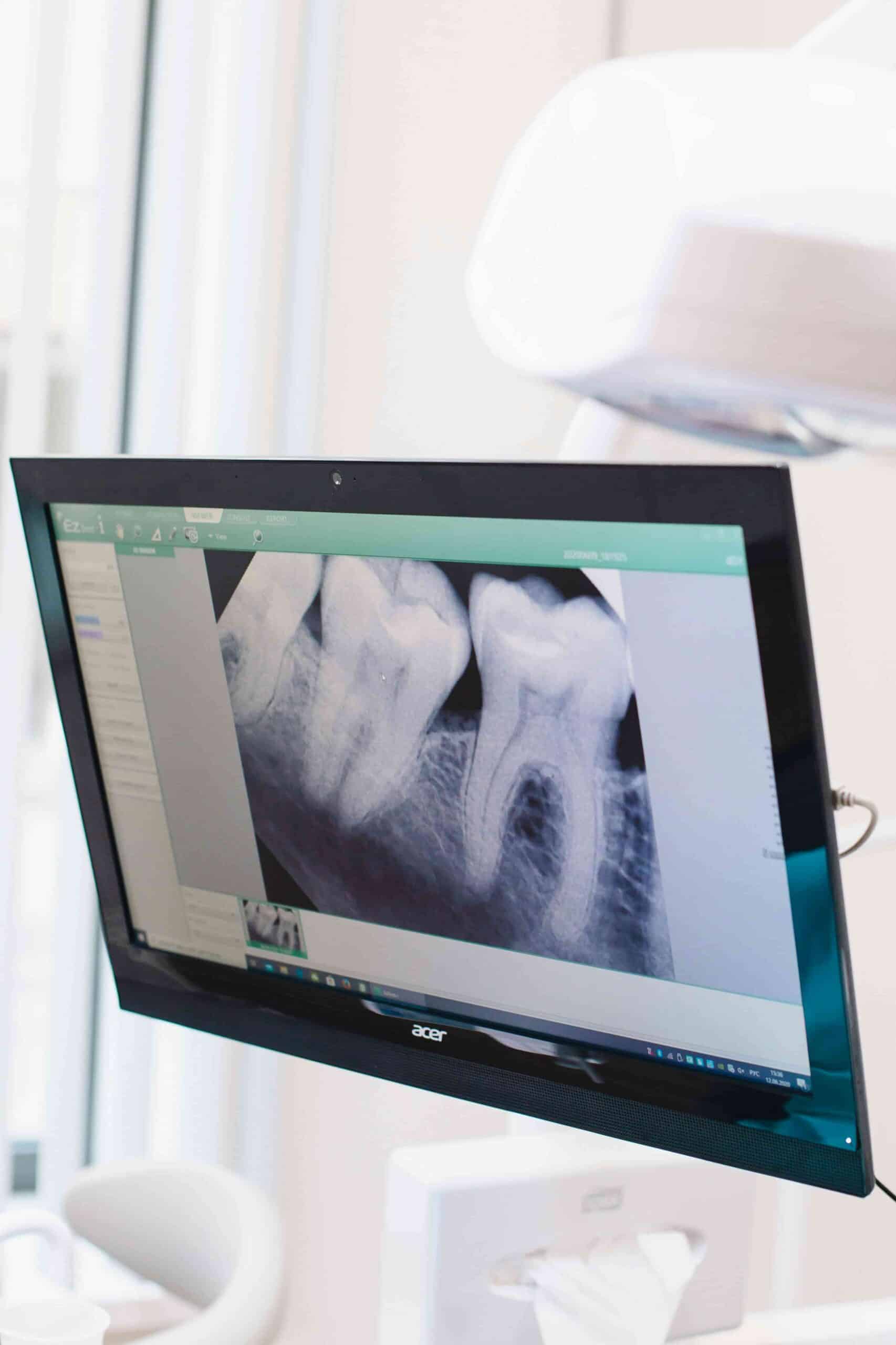
Advanced diagnostics: Digital X-rays and other detection technologies allow us to identify decay in its earliest stages, when intervention is least invasive and most effective.
For patients in Inglewood, Hawthorne, Manhattan Beach, and throughout the South Bay, Blue Diamond Dental offers convenient access to comprehensive preventive care that stops cavities before they start.
Frequently Asked Questions
Q: Can I reverse a cavity at home?
A: You can only reverse cavities in the very earliest stage—when white spots appear but no cavity has formed yet. Using fluoride toothpaste, drinking fluoridated water, and maintaining excellent oral hygiene can remineralize these initial lesions. Once a cavity forms, you need professional treatment with a filling.
Q: How do I know if I have a cavity?
A: Early cavities often cause no symptoms. As decay progresses, you may notice tooth sensitivity to hot, cold, or sweet foods, visible holes or pits in teeth, pain when biting, or persistent toothache. Regular dental check-ups at Blue Diamond Dental allow Dr. Ortega to detect cavities before you experience discomfort.
Q: Why do I keep getting cavities despite brushing?
A: Multiple factors beyond brushing frequency affect cavity risk. You may have aggressive bacterial strains, reduced saliva flow, deep tooth grooves that trap bacteria, frequent snacking habits, or genetic factors affecting enamel strength. Dr. Ortega can perform a comprehensive risk assessment to identify your specific vulnerability factors.
Q: Are some people more prone to cavities than others?
A: Yes. Genetics influence enamel composition, saliva production, and bacterial populations. Medical conditions like diabetes or autoimmune disorders increase risk. Medications causing dry mouth eliminate saliva’s protective effects. Past cavity experience indicates higher future risk, requiring more aggressive prevention strategies.
Q: What foods cause the most cavities?
A: Sticky, sugary foods like caramels and gummy candies cling to teeth, extending acid exposure. Frequent sipping of sugary or acidic beverages (sodas, sports drinks, sweetened coffee) keeps pH dangerously low throughout the day. Starchy foods that break down into simple sugars also feed cavity-causing bacteria. The frequency of exposure matters more than the total amount consumed.
Protect Your Smile with Expert Care
Understanding how cavities form empowers you to take control of your oral health. The demineralization-remineralization balance isn’t fixed—your daily choices tip the scale toward either decay or protection.
At Blue Diamond Dental, Dr. Anthony Ortega combines advanced technology with personalized care to help patients throughout Inglewood and the South Bay maintain healthy, beautiful smiles. Whether you need a routine cleaning, dental bonding, fluoride treatment, or restorative care for existing decay, our team treats you like family.
Don’t wait for pain to signal a problem. Early detection and intervention save teeth, time, and money. Contact Blue Diamond Dental today to schedule your comprehensive dental examination. Your smile deserves expert protection grounded in science and delivered with compassion.