Most of us grew up hearing a familiar warning from our parents: if you eat too much candy, your teeth will rot. It sounds like a simple cause-and-effect relationship. You eat a chocolate bar, and a cavity magically appears. But the connection between your diet and your dental health is slightly more complicated than that.
You might be wondering if a single soda will ruin your smile, or if certain types of sweets are worse than others. Understanding exactly how diet affects your enamel is the first step toward better oral hygiene. When you know the mechanics of tooth decay, you can make smarter choices without having to completely give up the foods you love.
So, does sugar cause cavities directly, or is there a middleman involved? In this guide, we will explore the science behind enamel breakdown, debunk a few common myths, and explain why certain foods trigger sudden tooth pain. You will also learn practical ways to protect your smile and maintain excellent oral health for years to come.
Key Takeaways
- Sugar itself does not destroy your teeth; the acid produced by oral bacteria feeding on sugar is the real culprit.
- Frequent snacking is often worse for your enamel than eating a large dessert in one sitting.
- Good oral hygiene and regular professional cleanings can reverse the early stages of sugar-induced enamel damage.
- Understanding why your teeth hurt when you eat sweets can help you identify cavities before they become severe.
The Science of Cavities: How Bacteria and Acid Interact
To understand the link between your diet and your dental health, we need to look closely at the environment inside your mouth. Your mouth is home to hundreds of different types of bacteria. Many of these bacteria are helpful, aiding in digestion and keeping harmful microbes in check. However, certain strains, such as Streptococcus mutans, thrive on the carbohydrates and simple sugars you consume.
When you eat a piece of candy or drink a sugary soda, these specific bacteria begin to feast. As they consume the sugar, they produce harmful acids as a byproduct. This acid coats your teeth, mixing with saliva and food particles to form a sticky film known as plaque.
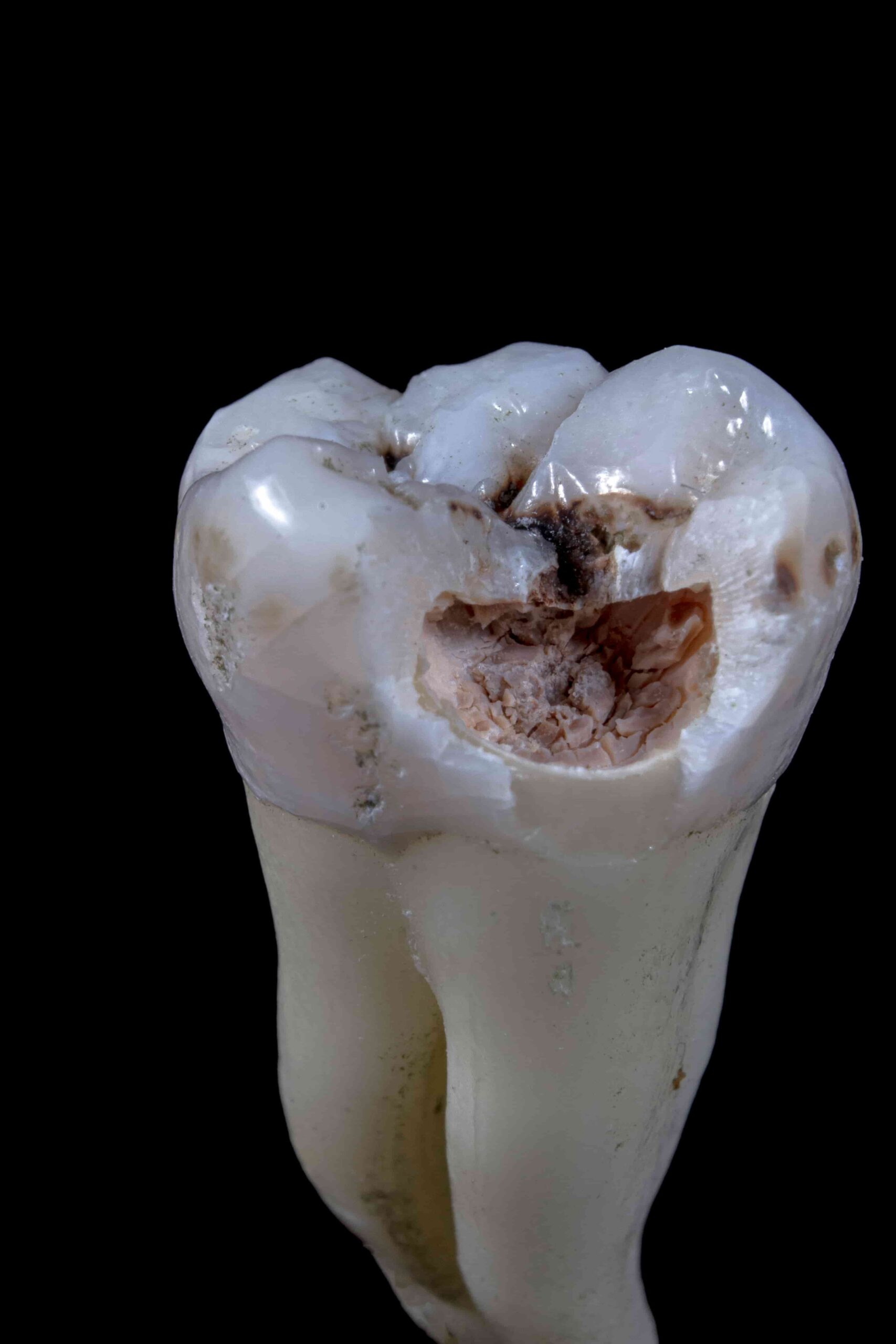
If plaque stays on your teeth, the acids within it continuously attack your tooth enamel. Enamel is the hard, protective outer layer of your teeth. Over time, these acid attacks drain essential minerals from the enamel, causing it to weaken and eventually collapse. This process is the true driver of sugar teeth decay. Ultimately, a tiny hole forms in the tooth, creating what we know as a cavity.
Beyond the Sweetness: Common Myths About Tooth Decay
There is a lot of misinformation surrounding the topic of diet and oral health. Let’s clear up some of the most widespread myths regarding sugar teeth decay.
- Myth: Only candy and desserts cause cavities.
Reality: Any carbohydrate can trigger acid production. Foods like potato chips, crackers, and bread break down into simple sugars in your mouth. Because these starchy foods easily get trapped between your teeth, they can be just as harmful as a lollipop. - Myth: Natural sugars are safe for your teeth.
Reality: Your oral bacteria do not care if a sugar is natural or heavily processed. The sugars found in honey, maple syrup, and even fruit juices still feed acid-producing bacteria. While fruit is clearly a healthier choice for your body, sticky items like dried fruit can cling to your enamel and accelerate decay. - Myth: The amount of sugar you eat is all that matters.
Reality: How frequently you consume sugar is actually more dangerous than the total amount. Sipping a sugary drink slowly over several hours subjects your teeth to a continuous acid attack. Eating a sweet treat quickly during a meal gives your saliva a chance to neutralize the acids afterward.
Recognizing the Signs: Why Do Cavities Hurt When You Eat Sugar?
Many patients ask us, do cavities hurt when you eat sugar? The answer is often a resounding yes, and there is a fascinating biological reason for this sudden discomfort.
To understand the pain, you have to look beneath the tooth enamel. Right under the enamel lies a layer called dentin. Unlike solid enamel, dentin is incredibly porous. It contains thousands of microscopic, fluid-filled tubes that lead directly to the center of the tooth, where the sensitive nerves reside.
When a cavity eats through the protective enamel and exposes the dentin, your tooth becomes vulnerable. Sugary foods and drinks have a high concentration of solutes. When these concentrated sweets come into contact with the fluid inside the dentin tubules, they cause a rapid shift in fluid pressure—a process known as osmosis. This sudden movement of fluid irritates the nerve endings. The result is a sharp, immediate flash of pain. If you experience this sensation, it is a clear sign that a cavity has formed and requires professional attention.
Preventive Measures: Protecting Your Oral Hygiene
You do not have to banish all treats from your diet to maintain a healthy smile. With a proactive approach, you can keep decay at bay. The team at Blue Diamond Dental recommends a few straightforward habits to protect your teeth.
First, commit to brushing twice a day with fluoride toothpaste. Fluoride is a naturally occurring mineral that helps remineralize weakened enamel, making it more resistant to acid attacks. Flossing daily is equally important, as it removes the hidden plaque and trapped food particles that your toothbrush cannot reach.
Next, try to drink plenty of water throughout the day. Water helps wash away leftover sugars and promotes saliva production. Saliva is your body’s natural defense mechanism against cavities, as it neutralizes bacterial acids and repairs microscopic enamel damage.
Finally, do not skip your routine dental exams. Professional cleanings remove hardened plaque that regular brushing cannot eliminate. Our team can also apply dental sealants to the deep grooves of your chewing teeth, providing an extra physical barrier against decay.
Orthodontic and Cosmetic Solutions in Inglewood
Sometimes, despite our best efforts, tooth decay leaves its mark. Or perhaps you simply want to enhance the natural beauty of your smile. At Blue Diamond Dental, we offer comprehensive services to patients throughout Inglewood and the greater South Bay area.
Dr. Anthony Ortega and our experienced team provide an array of restorative and cosmetic treatments. If sugar has caused structural damage to a tooth, we offer tooth-colored composite dental fillings and custom dental crowns that blend seamlessly with your natural smile.
For those looking to correct misaligned teeth or enhance their overall appearance, our cosmetic and orthodontic services can help. We provide porcelain veneers to cover chipped or heavily stained teeth, as well as dental bonding to repair minor imperfections. By combining regular preventive care with advanced restorative treatments, we ensure that your teeth remain both functional and visually stunning.
Frequently Asked Questions About Sugar and Oral Health
Q: Can a cavity heal itself if I stop eating sugar?
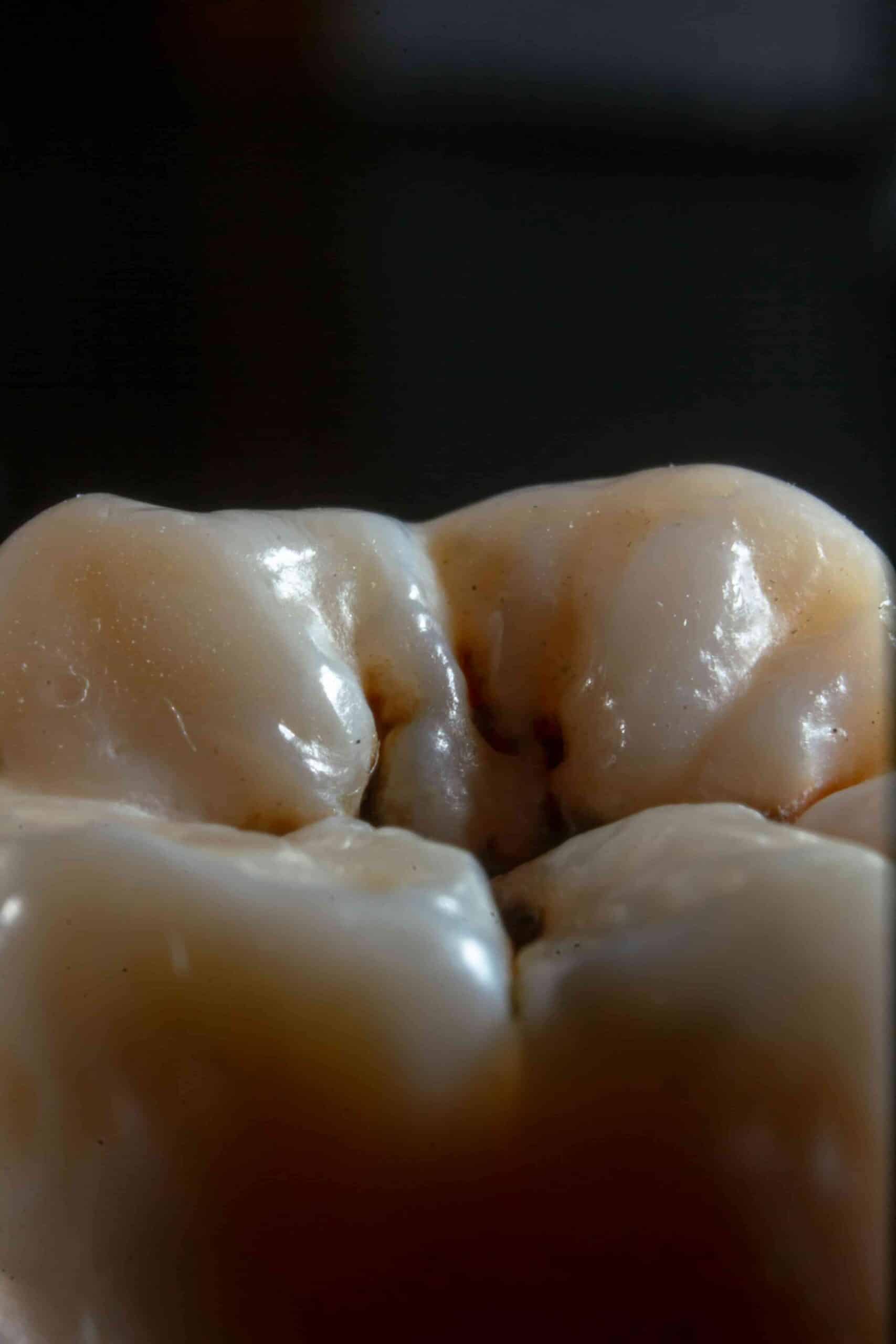
A: In its very early stages, before a physical hole has formed, enamel can remineralize and repair itself with the help of fluoride and improved oral hygiene. However, once a true cavity develops in the tooth structure, it cannot heal on its own and will require a professional dental filling. If you have a fissure, it would require a dental sealant.
Q: Are sugar-free sodas safe for my teeth?
A: While sugar-free drinks do not feed the bacteria that cause cavities, they are often highly acidic. This acidity can erode your tooth enamel over time. It is best to consume these beverages in moderation and follow them with a glass of water.
Q: How long should I wait to brush after eating something sweet?
A: You should wait about 30 minutes to brush your teeth after eating sugary or acidic foods. Brushing immediately can actually rub the harmful acids deeper into your enamel. Waiting gives your saliva time to neutralize the mouth’s pH levels.
Q: Does chewing sugar-free gum help prevent cavities?
A: Yes, chewing sugar-free gum is highly beneficial. The chewing action stimulates saliva flow, which washes away food particles and helps neutralize cavity-causing acids.
Prioritizing Long-Term Dental Wellness
Maintaining a healthy smile requires more than just avoiding the candy aisle. By understanding how bacteria process carbohydrates, you can take meaningful steps to protect your enamel from daily acid attacks. Good habits, consistent hygiene, and a balanced diet all work together to keep your teeth strong.
If you suspect you have a cavity, or if it has been a while since your last checkup, the team at Blue Diamond Dental is here to help. Located in the heart of Inglewood, CA, Dr. Anthony Ortega and our dedicated staff treat every patient like family. We are committed to utilizing the latest innovations to create beautiful, healthy smiles. Contact us today to schedule your consultation and take control of your dental wellness.