Dental implants cost in California typically range from $3,000 to $6,000 for a single tooth, including the implant, abutment, and crown. Full-mouth solutions like All-on-4 can run $15,000 or more per arch. Final pricing depends on your location, materials, and whether you need procedures like bone grafting.
Losing a tooth can change more than your smile—it affects how you eat, speak, and feel about yourself. Dental implants offer a permanent, natural-looking way to restore both function and confidence. But once you start researching prices, the numbers can feel all over the place.
If you live in California, you’ve probably seen figures ranging from $2,500 to $6,000 per tooth, with full-mouth options climbing into the tens of thousands. So what’s the real cost? And why does it vary so much from one office to the next?
This guide breaks down the true cost of dental implants in California. We’ll cover the factors that drive pricing, explain the cost of a dental implant crown, and share practical ways to make treatment more affordable. By the end, you’ll know exactly what to expect when you sit down for a consultation.
Key Takeaways
- A single dental implant in California typically costs $3,000 to $6,000, including the implant post, abutment, and crown.
- Full-mouth implants (such as All-on-4) range from $15,000 and up per arch.
- The crown is a major part of the total price, with porcelain and zirconia options affecting cost.
- Add-on procedures like bone grafting ($500–$3,000) and sinus lifts can raise your final bill.
- Insurance, financing, FSAs, and HSAs can all help lower out-of-pocket costs.
What Are Dental Implants, and Why Do People Choose Them?
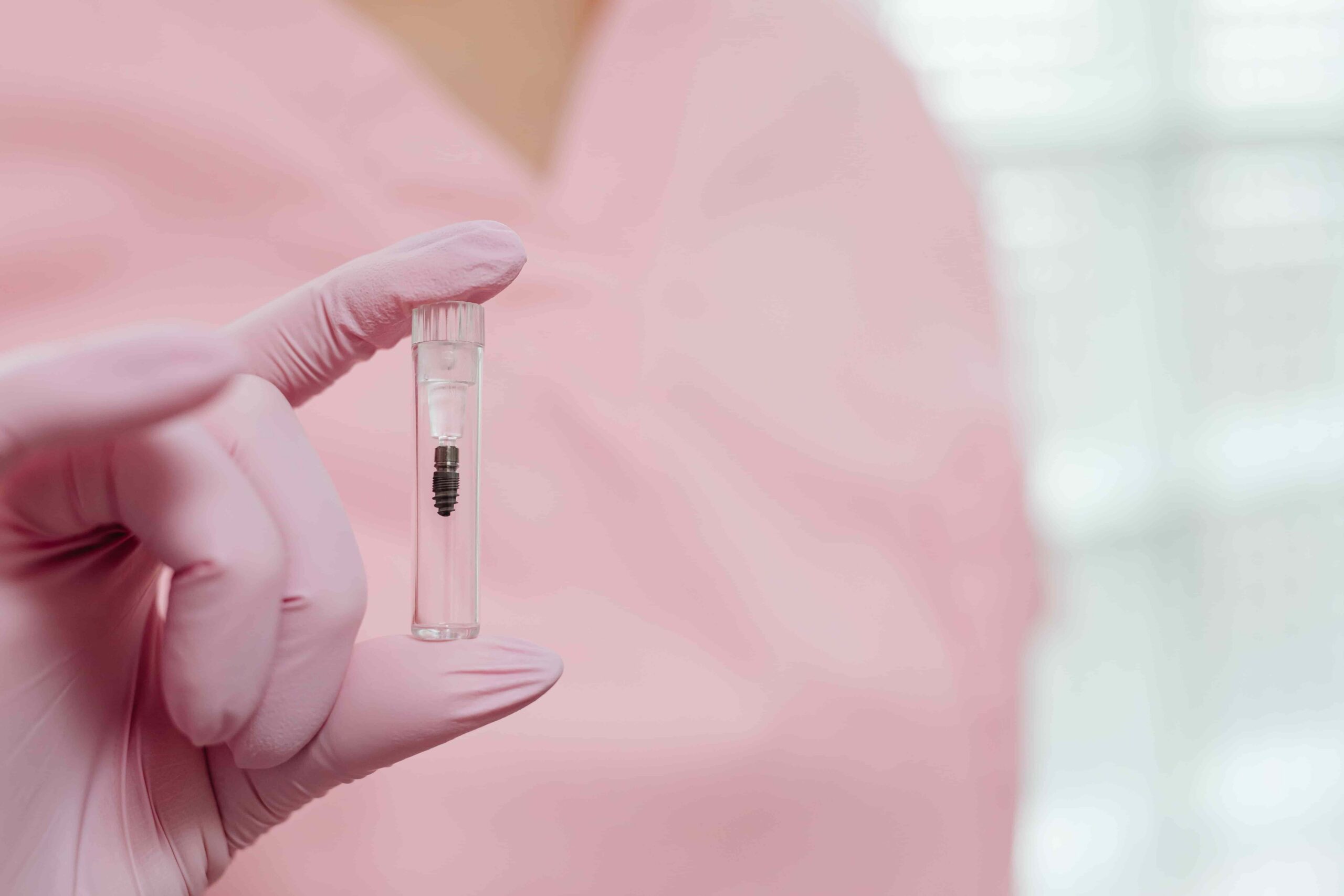
A dental implant is a small post, usually made of titanium or zirconia, that a dentist surgically places into your jawbone. According to Harvard Health, the implant acts as an artificial tooth root, giving a stable foundation for a replacement tooth.
Unlike dentures or bridges, implants don’t slip or rely on neighboring teeth for support. They look and feel like natural teeth, and they help preserve your jawbone over time. That’s a big reason so many people see them as a worthwhile investment.
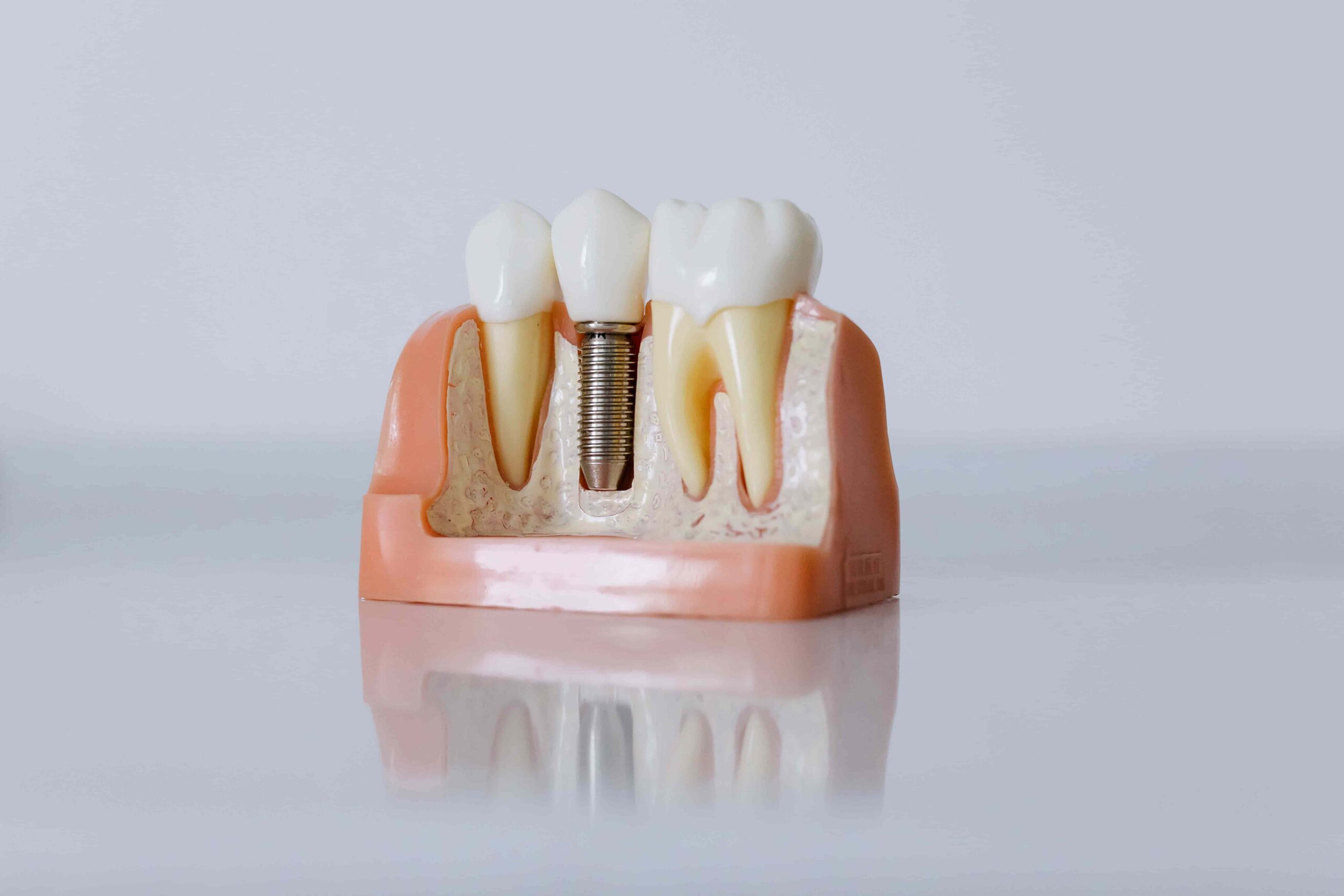
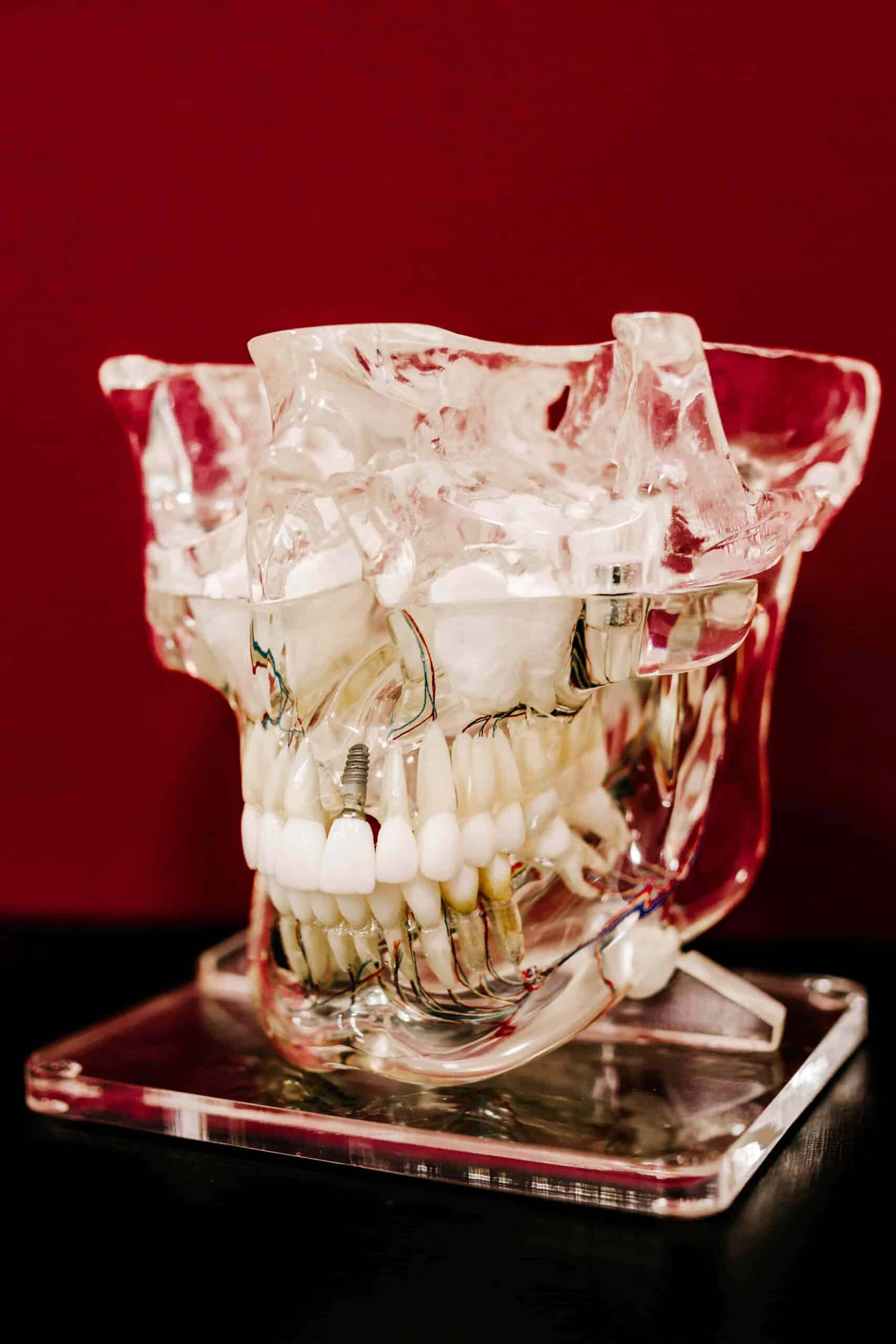
Every dental implant has three main parts, and understanding them helps explain the overall price. The implant post is the screw placed in your jaw. The abutment is the connector that sits on top of the post. The crown is the visible tooth that attaches to the abutment, custom-made to match your smile.
What Factors Influence Dental Implants Cost in California?
No two treatment plans are exactly alike, which is why prices vary so widely. Several key factors shape what you’ll ultimately pay.
- Location within California plays a real role. Practices in high-cost metro areas like San Francisco often charge more than those in other regions, simply because overhead and living costs are higher. Southern California cities, including the South Bay area, tend to offer competitive pricing.
- The type of implant matters too. A single-tooth implant costs far less than multiple implants or a full-arch restoration. The more teeth you replace, the higher the total, though full-mouth solutions can offer better value per tooth.
- Materials also affect price. Titanium implants are the standard, while zirconia (a metal-free option) can cost more. The porcelain dental implants cost—referring to the porcelain crown placed on top—depends on the brand and quality of the materials used.
- Additional procedures are another common factor. Many patients need a bone graft, sinus lift, or tooth extraction before the implant can be placed. Bone grafting alone often adds $500 to $3,000 to the bill.
Finally, the dentist’s experience and the anesthesia option you choose can shift the price. A highly trained implant provider may charge more, but that expertise often means smoother results. Sedation options, from local anesthesia to IV sedation, also carry different fees.
How Much Does the Dental Implants Crown Cost?
The crown is the part of your implant you actually see, so it deserves a closer look. It’s also one of the bigger pieces of the total cost.
According to GoodRx, a single dental crown without insurance generally costs between $800 and $2,500. Crowns placed on implants tend to sit toward the higher end, since they require precise fitting and custom work.
The material you pick changes the price. Porcelain and ceramic crowns are popular because they mimic natural teeth beautifully, with costs often falling between $900 and $1,600. Zirconia crowns offer extra strength and durability, which can make them a smart pick for back teeth that handle heavy chewing.
If appearance is your top priority for a front tooth, porcelain is usually the better choice; if durability matters more, zirconia may be worth the added investment.
What’s the Average Cost of Dental Implants in California?
Now for the numbers you came for. Keep in mind these are estimates, and your actual quote will depend on your specific needs.
For a single tooth implant, you can expect to pay roughly $3,000 to $6,000 in California. This usually includes the implant post, abutment, and crown.
For multiple implants, the cost grows with each tooth, but many practices offer package pricing that brings the per-tooth cost down.
For full-mouth implants, such as the popular All-on-4 system, prices typically start around $15,000 per arch and climb from there depending on materials and complexity.
These ranges give you a ballpark, but only a personal exam can produce an accurate figure. Your jawbone health, the number of teeth involved, and any prep work all change the final number.
How Can You Make Dental Implants More Affordable?
The price tag can feel daunting, but several options can ease the burden. With a little planning, implants are within reach for more people than you might think.
- Dental insurance is a good starting point. Many plans now cover a portion of implant treatment, especially the crown or related procedures. It’s always worth checking your benefits before assuming you’ll pay full price.
- Financing and payment plans spread the cost over time. Many California practices, including Blue Diamond Dental, work with providers like CareCredit so you can pay in manageable monthly installments.
- Dental schools and community clinics sometimes offer lower-cost treatment performed by supervised students. The trade-off is longer appointments, but the savings can be significant.
Finally, Flexible Spending Accounts (FSAs) and Health Savings Accounts (HSAs) let you use pre-tax dollars for dental work. That effectively lowers your real cost, since you’re spending money before taxes are taken out.
Why Choose Blue Diamond Dental in Inglewood, CA?
Finding a dentist you trust matters just as much as finding a fair price. At Blue Diamond Dental, our team has served Inglewood and the greater South Bay area for over 50 years.
We believe in clear, honest pricing and thorough consultations, so you understand every part of your treatment plan before moving forward. Our skilled doctors, including Dr. Anthony Ortega and Dr. Elom Kwame, combine advanced technology with genuinely compassionate care. We also accept most dental insurance plans and offer flexible financing through CareCredit to keep treatment accessible.
FAQ
Q: How long do dental implants last?
A: With proper care, dental implants can last decades, and many last a lifetime. The crown on top may need replacement after 10 to 15 years due to normal wear, but the implant post itself is built to be permanent.
Q: Are dental implants painful?
A: Most patients report that the procedure is more comfortable than they expected. Local anesthesia keeps you numb during placement, and sedation options are available if you feel anxious. Mild soreness afterward usually fades within a few days.
Q: Does insurance cover dental implants in California?
A: It depends on your plan. Some insurers cover part of the cost, particularly the crown or any needed extractions. Blue Diamond Dental can help you review your benefits and maximize your coverage.
Q: Why are dental implants more expensive than dentures?
A: Implants cost more upfront because they’re a permanent solution that involves surgery and custom materials. Over time, though, they often prove more cost-effective since they rarely need replacement and protect your jawbone.
Q: How long does the whole implant process take?
A: From start to finish, treatment can take a few months, mainly because your jaw needs time to heal around the implant. If you need a bone graft first, the timeline may be longer.
Take the Next Step Toward Your New Smile
Dental implants are a lasting investment in your health, comfort, and confidence. While the cost in California varies based on your needs, knowing the factors behind the price puts you in control of your decision.
The smartest move is a personalized consultation, where a dentist can examine your mouth and give you an accurate quote — no guesswork involved. If you’re in Inglewood or the South Bay, the team at Blue Diamond Dental is ready to help. Contact us today to schedule your consultation and take the first step toward a complete, healthy smile.